Municipal United Libraries "B. LABANCA"
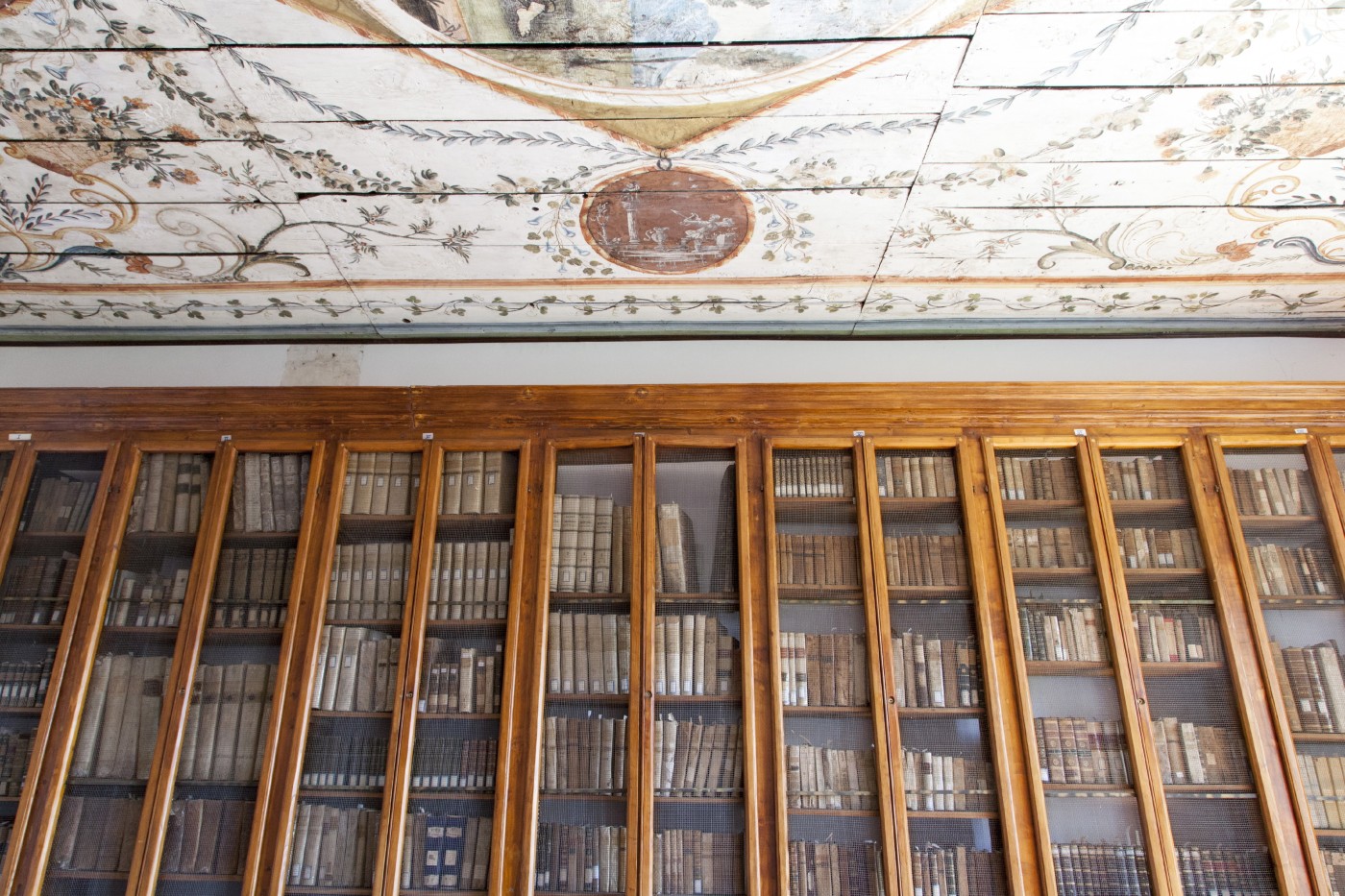
Agnone Library
PALAZZO SAN FRANCESCO AND THE MUNICIPAL UNITED LIBRARIES AND "B. LABANCA"
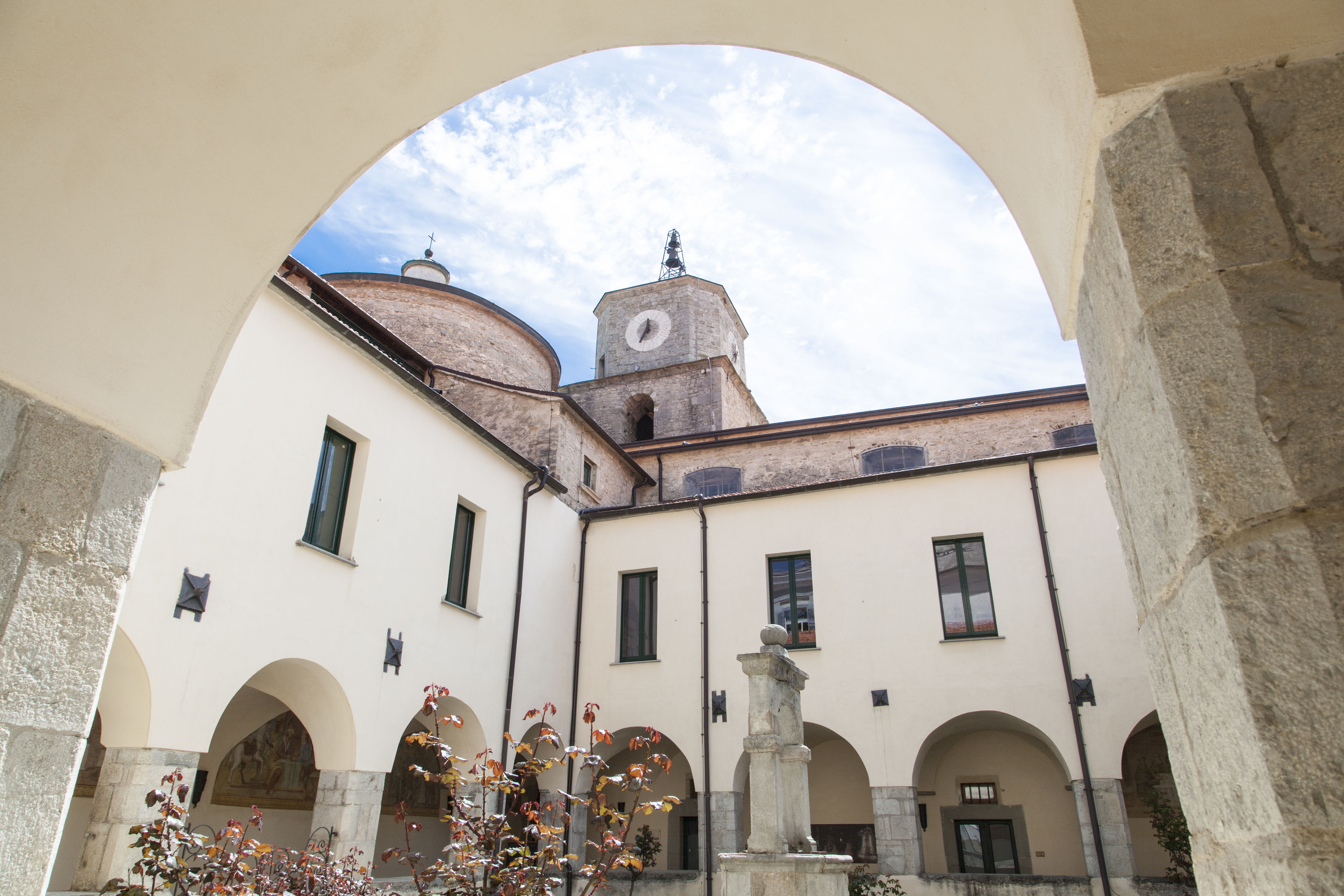
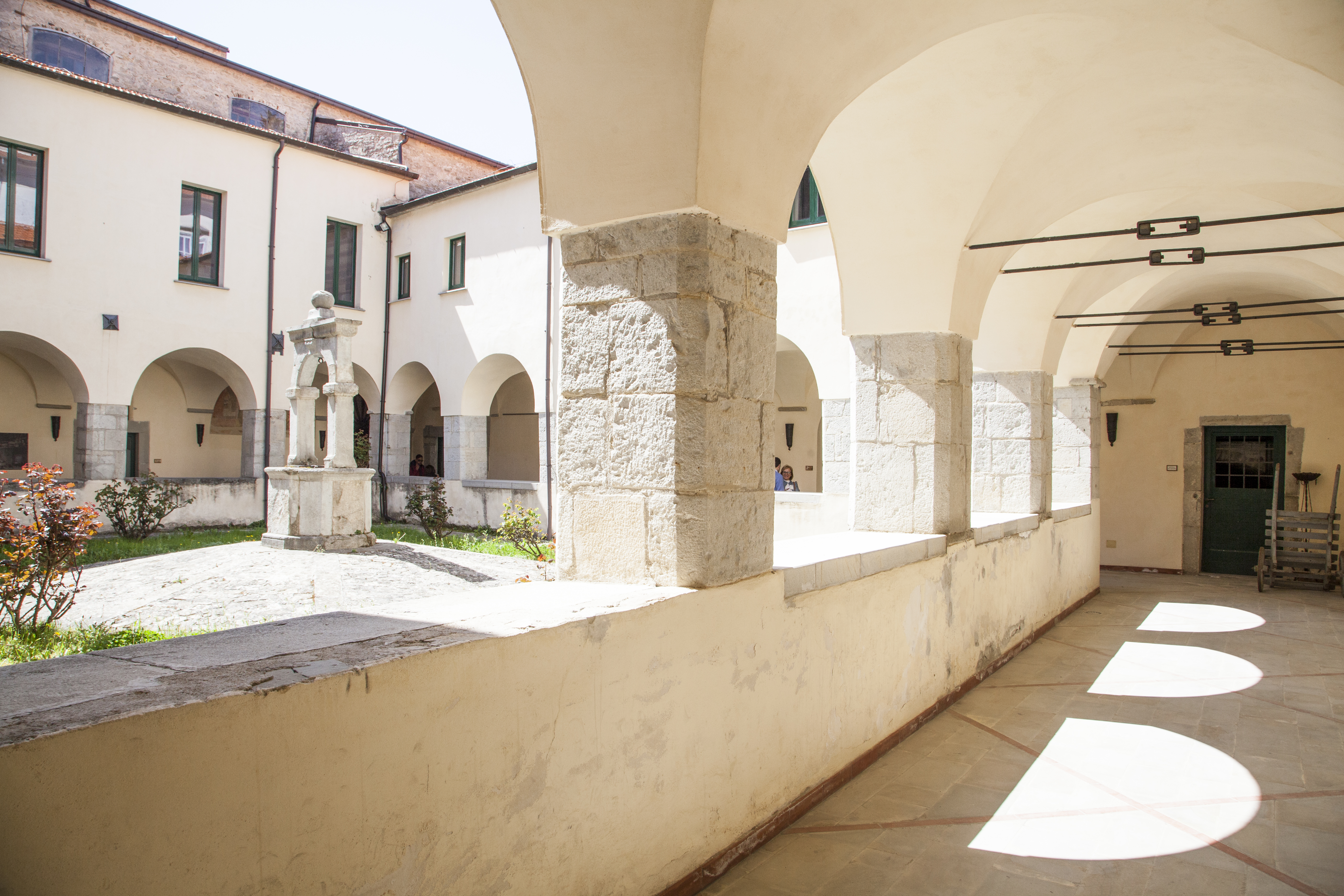
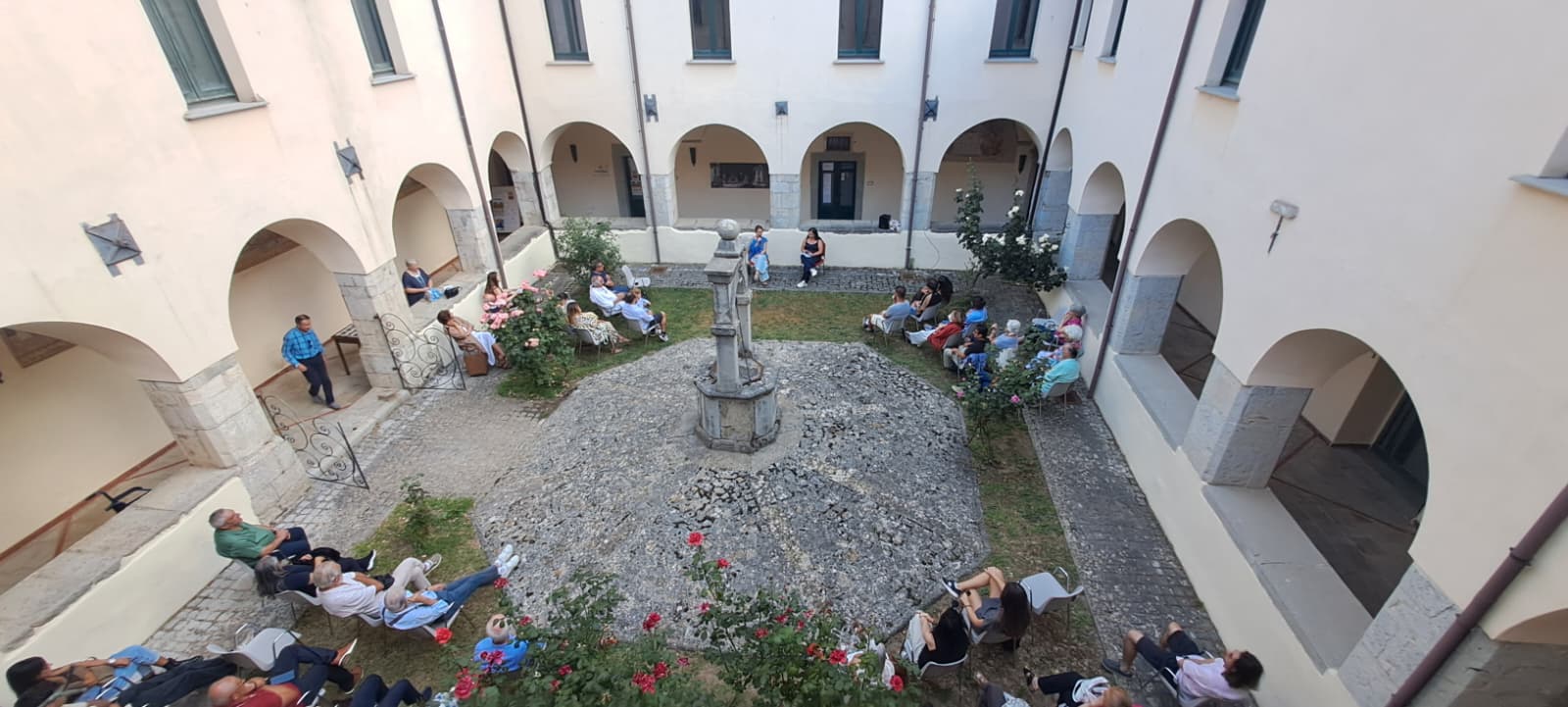
The first structure of this monumental complex, the largest in all of ancient Agnone, dates back to 1343. The original Franciscan convent, owner of lands and considerable revenues in Upper Molise, was possessed by the Conventual Franciscan Friars uninterruptedly until the end of the eighteenth century. Suppressed in 1807, by decree of Joseph Bonaparte, it was reactivated in 1824. In 1866 the building was definitively incorporated among state property and then transferred to the Municipality, which used it as headquarters for the Town Hall, the Royal Technical School, the Labanca Library (1911), and the State Middle School. The palace, subjected to restoration between the late eighties and the first half of the nineties, preserves intact the layout of its original conventual destination. Notable is the stone-carved access portal in rococo style that leads into the fourteenth-century cloister, frescoed by seventeenth-century painters of the Neapolitan school, with scenes from the life of Saint Francis. Of magnificent eighteenth-century craftsmanship is the entire raised floor with the splendid monumental corridor on which open the access doors to the fathers' rooms surmounted by frescoed ovals with figures of saints. Today Palazzo San Francesco serves as the Municipality's representative seat, houses the Municipal Council Hall in the sixteenth-century refectory, while the entire raised floor houses the United Municipal and B. Labanca Libraries.
Timeline
Foundation of the Franciscan Convent (1343)
Birth of Agnone's largest religious complex.
From convent to civic center (1807–1911)
Suppressed, reactivated and transformed into a public building.
Cultural rebirth and restoration (1980–1990)
Restored and destined for library and civic functions.
Ancient Book Exhibition (since 2003)
Public valorization of the rich historical book collection.
The Labanca Library, the ancient collection and the wooden ceilings with alchemical themes
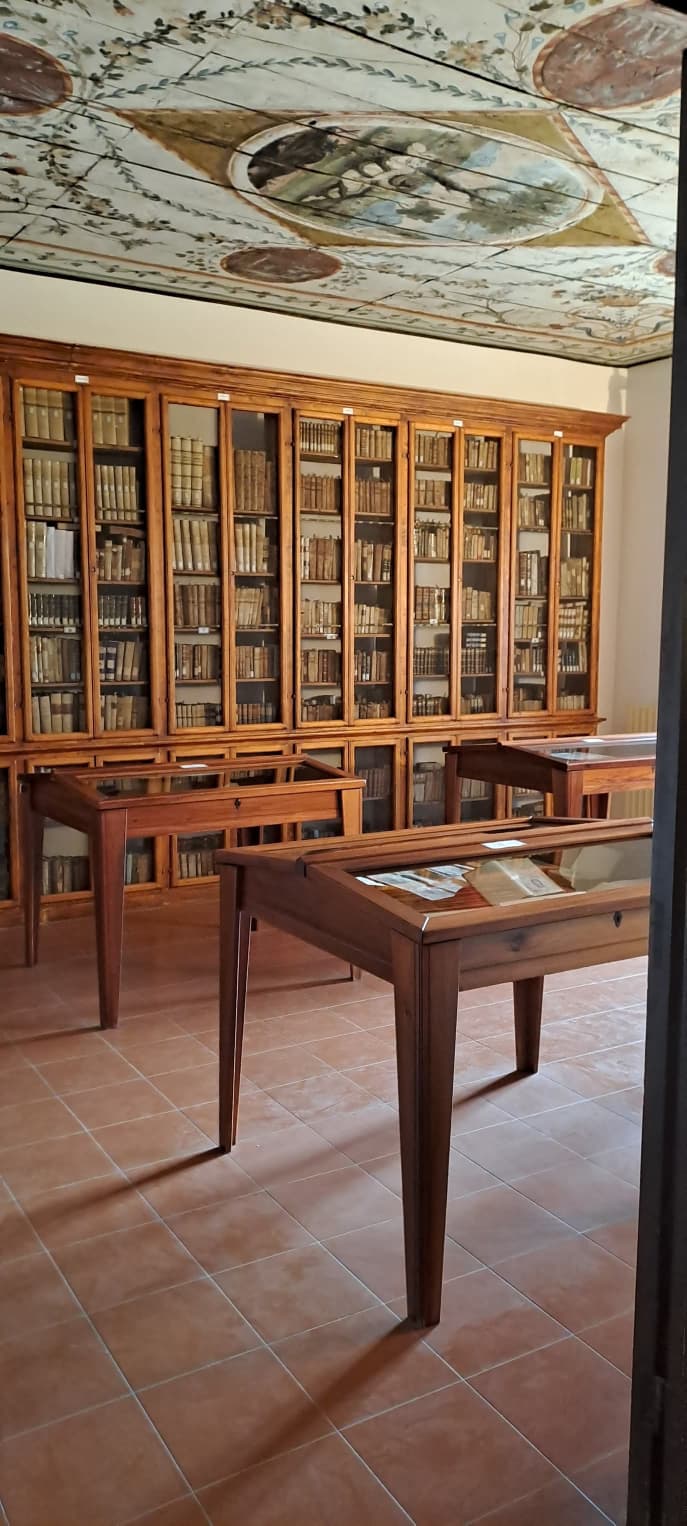
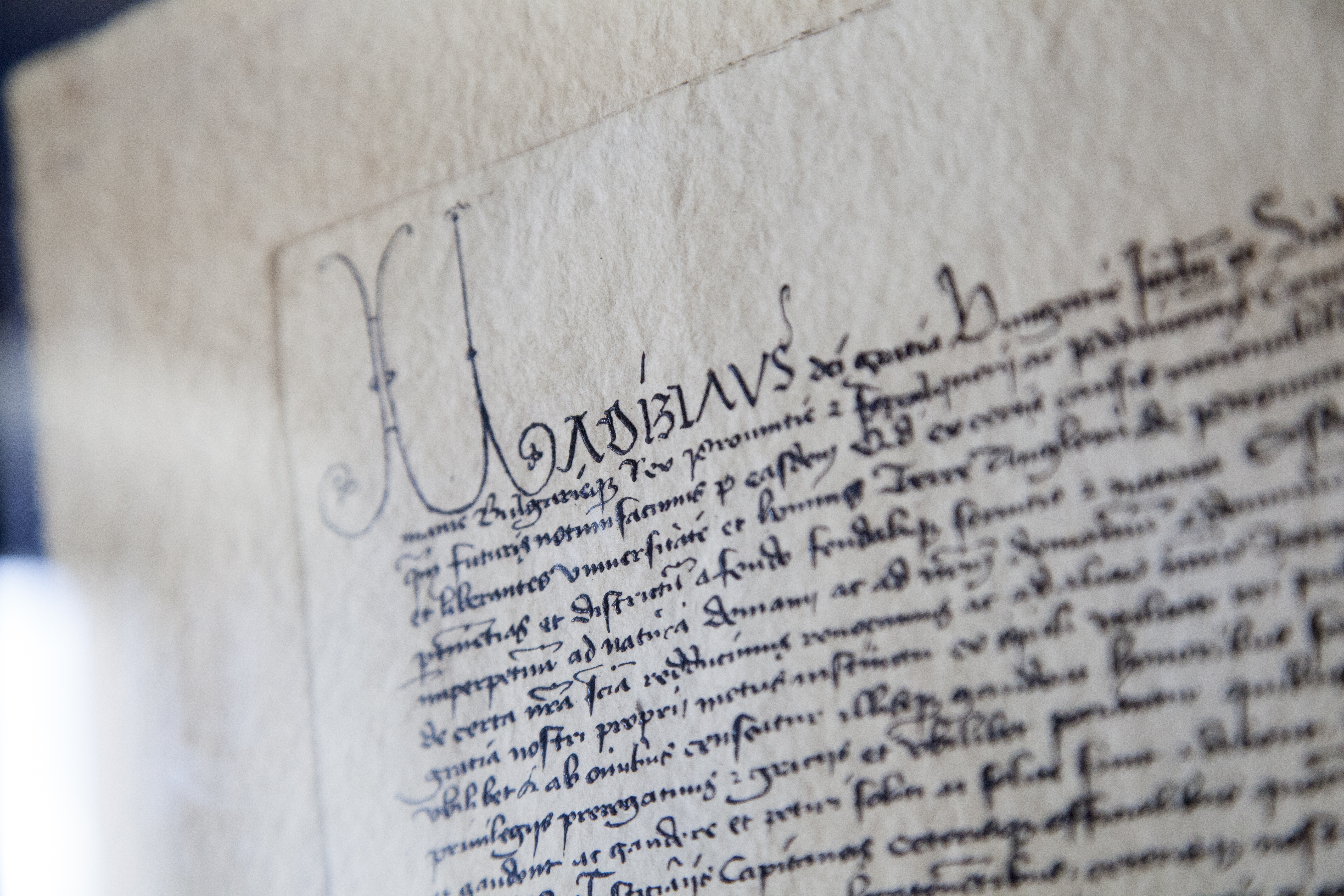
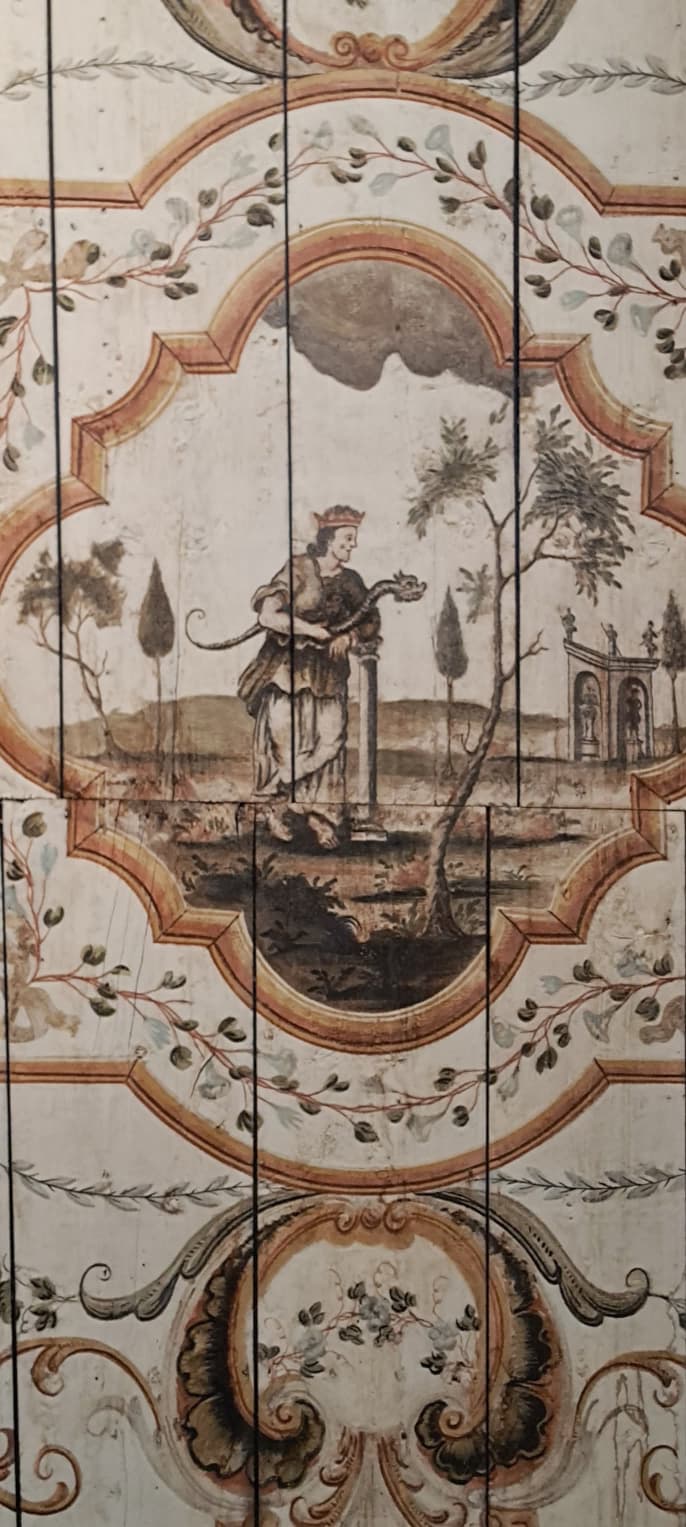
Founded in 1911 by the will of Prof. Baldassarre Labanca (Agnone 1829 – Rome 1913), a distinguished philosopher, historian of religions and historian of Christianity, the Agnone library preserves a heritage of over 60,000 volumes. Nearly 2,000 date from the sixteenth to the nineteenth century, and constitute the ancient book collection, the result of substantial donations from Labanca himself, Luigi Gamberale (Agnone 1840 - 1929) and other illustrious Agnone intellectuals. Since 2004, the "Permanent Exhibition of Ancient Books" (79 volumes distributed in 3 rooms) has been established, displaying works of philosophy, classical literature, Church history, theology, architecture, medicine and surgery, natural sciences, law, agro-pastoral essays. Famous sixteenth and seventeenth-century editions (Plato, Aristotle, Seneca, Ovid, Livy, Tommaso Campanella, the Diodati Bible, History of the Inquisition, Canons and decrees of the Council of Trent, the Roman Martyrology by Cesare Baronio); precious Aldine editions (Tito Vespasiano and Ercole Strozzi, Giovanni Pontano) and other reduced-format editions (Pindar, Horace, Virgil, Terence, Curtius Rufus, Martial, Petrarch, Tasso); precious eighteenth-century editions (Voltaire, Rousseau, Buffon, Jean-Louis Petit, Jan Swammerdam, Lorenz Heister, Samuel Pufendorf, Mario Gioffredo, Jacques Cujas); refined nineteenth-century editions (Dante, Leopardi, Shakespeare, the Hebrew Bible, Don Quixote illustrated by Gustave Doré). The wooden ceilings of the various exhibition halls (restored in 2003), also present a cycle of paintings with alchemical themes from the late eighteenth century, commissioned by the Franciscan order from Neapolitan craftsmen. The cycle has been studied by Prof. Mino Gabriele (academic at the University of Udine) in a chapter of his essay "Il primo giorno del mondo" (Milan: Adelphi, 2016), and constitutes the only testimony of Franciscan alchemical iconography that has reached us.
The Oscan Tablet
Inside Palazzo San Francesco, since 2017, a cast of the original Oscan Tablet preserved in London is displayed. Found in 1848 by farmer Pietro Tisone in the locality of Fonte del Romito (between Agnone and Capracotta, where a sacred enclosure dedicated to Ceres stood), it entered the private collection of Alessandro Castellani (1867), who sold it to the British Museum in 1873. It is a bronze plate from the 3rd century BC in the Oscan language, also known as Tabula Agnonensis, belonging to the Italic people of the Samnites. Theodor Mommsen (1817-1903) was the first to study the important artifact, as testimony of Samnite language and religiosity. The inscription is engraved on both sides of the tablet (28 x 16.5 cm), reading from right to left. Side A contains 25 lines and mentions the sacred ceremonies to be officiated during the year, dedicated to Ceres (Kerres, main deity of the sanctuary) and fifteen other deities. It also states that every two years a ceremony must be held on the fire altar, and that every year, during the Floralia (festival in honor of Flora, goddess of spring and flowers) four deities must be sacrificed to (Ceres, Hercules, Jupiter and Flora). Side B contains 23 lines establishing that access to the sanctuary is regulated by payment of the tithe, followed by a list of what belongs to the sanctuary and an explanation regarding those who can frequent and manage it.
Gallery
Every journey, even the longest one, always begins with the first step.
Author - Robin Williams - Teddy Roosevelt